OUR WORK
OUR PROGRAMS
FOOD SYSTEM MAPPING

POPULAR EDUCATION

THE STIR PROGRAM

THE MARKET

FOOD GROUP ASSEMBLIES

Food group assemblies
Campus Food Group Assemblies bring student food groups together to share resources, exchange knowledge, and tackle common challenges. These gatherings create space for collaboration and collective problem-solving, helping groups strengthen their projects and build a more connected campus food system.

CAMPUS FOOD REFORM

EVENTS AND CONFERENCES
CFC EVENTS
Solidarity Brunches
- Monthly free bagels and parfait brunch for students and campus community members
Solidarity Suppers
- Cook together dinners with activities and presentations
DevOur Campus Conference
- Annual gathering of campus food groups, food studies faculty and advocacy groups.
Harvest Party
- Annual free feast featuring local food, live music, garden tours and cooking workshops.
FungiFest
- Annual partnership to showcase of mushroom cultivation, culinary and medicinal transformation workshops and market.
Loyola Food Fair
- Annual winter showcase of food groups and programs, on the Loyola campus, with extra special lunch, activities and grocery-give-away.
Student Food Security Fair
- Annual showcase of fee levy and food groups working to combat food insecurity.

RESEARCH

OUR WORK
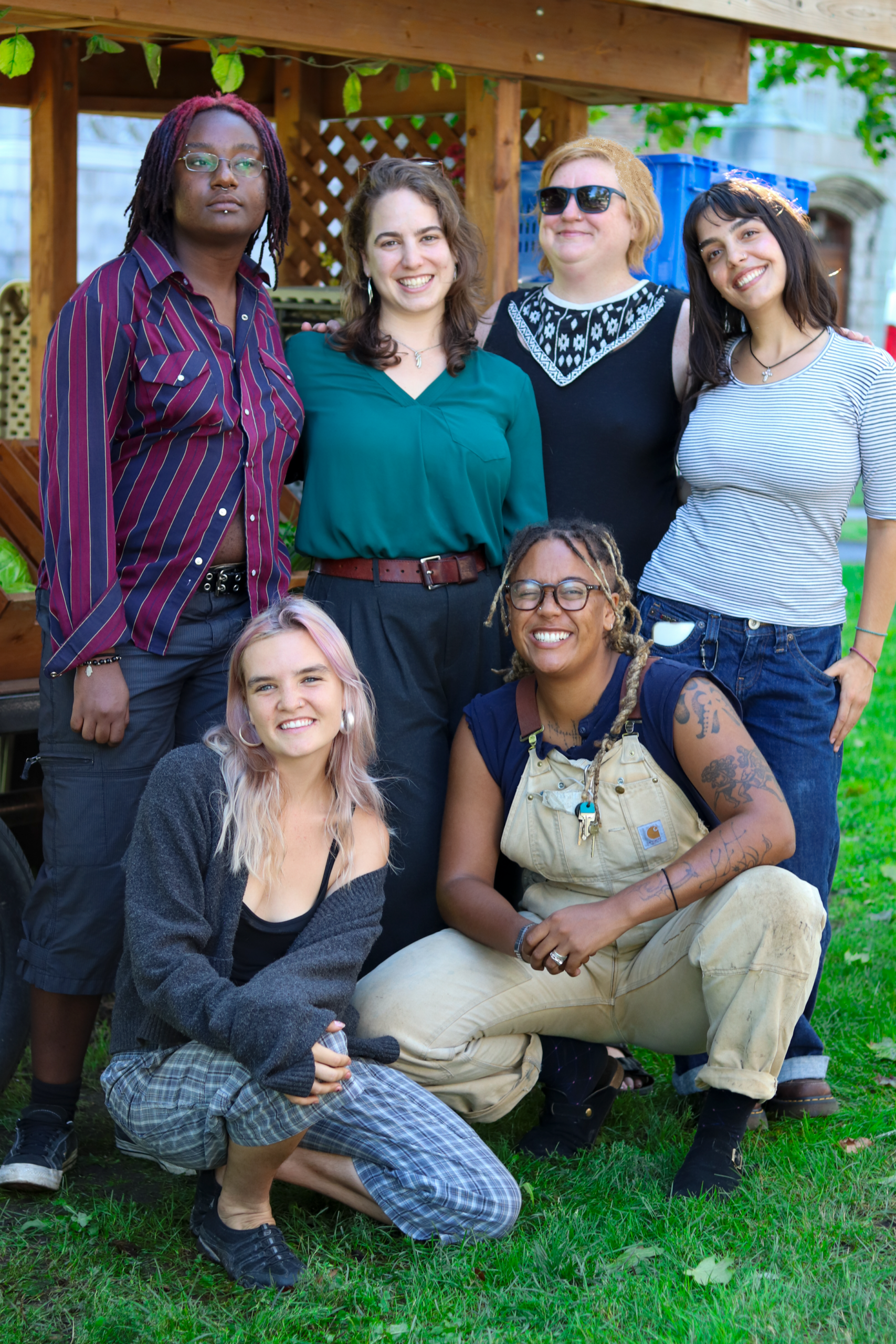
We incubate a better campus food system by supporting ideas, projects, and the people behind them. We connect and convene our community, creating opportunities to learn from one another, share knowledge, and teach what works.

OUR TEAM
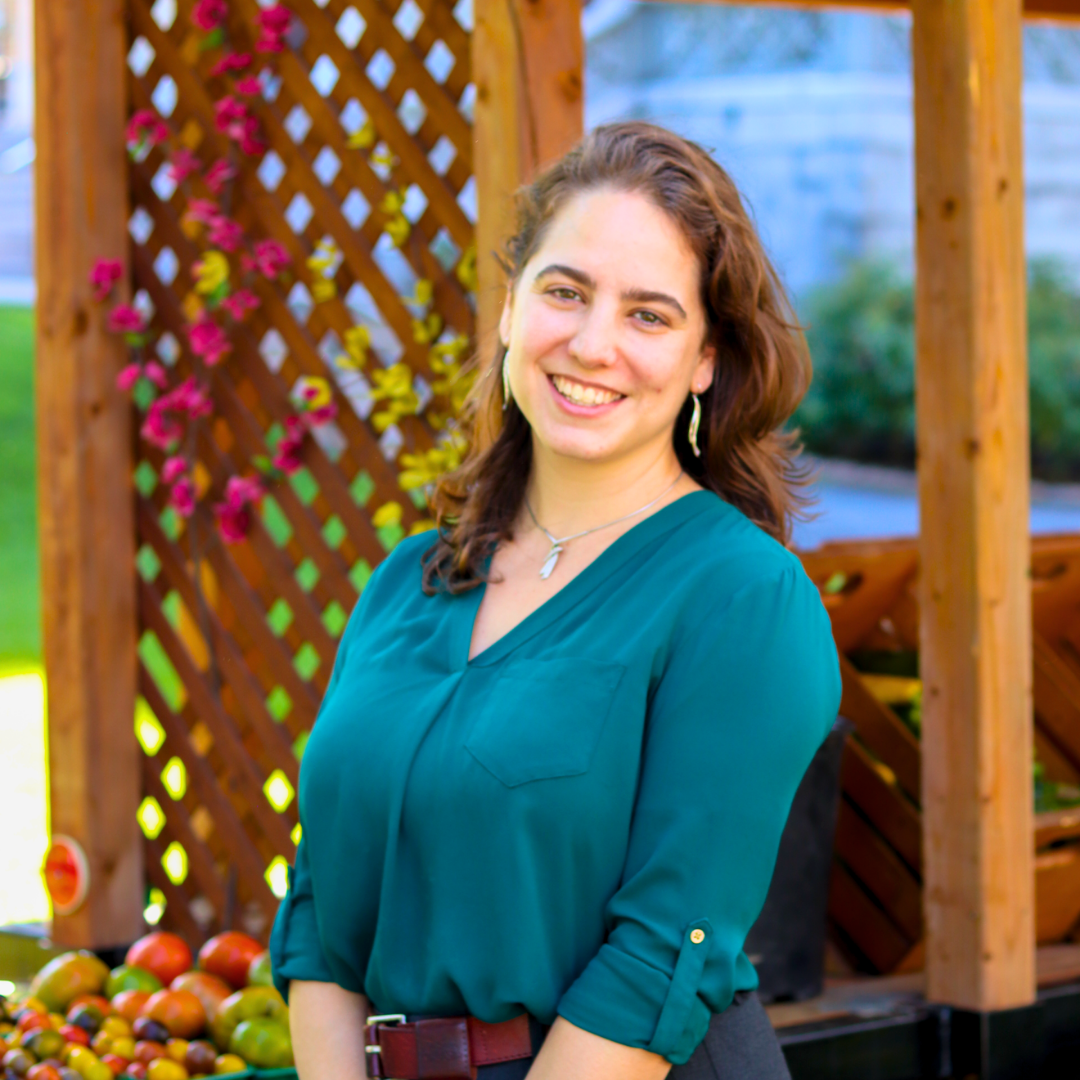
Gabriela Lopes
General Coordinator – Gabriela@concordiafoodcoalition.com
Gabriela first got involved with the CFC as an undergrad in 2014, drawn to food justice and systemic transformation. She founded the working group Love and Honey in 2017 to explore food systems through a research lens, and later deepened that work by studying law at McGill, focusing on international human rights, development, and Indigenous legal traditions.
After serving as Secretary and Chair of the CFC Board, she’s now the General Coordinator. She has also been actively involved in the creation of the McGill Food Coalition. Gabriela is passionate about food systems, storytelling, and growing things—whether it’s ideas, veggies, or community. She also dreams of illustrating her own graphic novel one day.

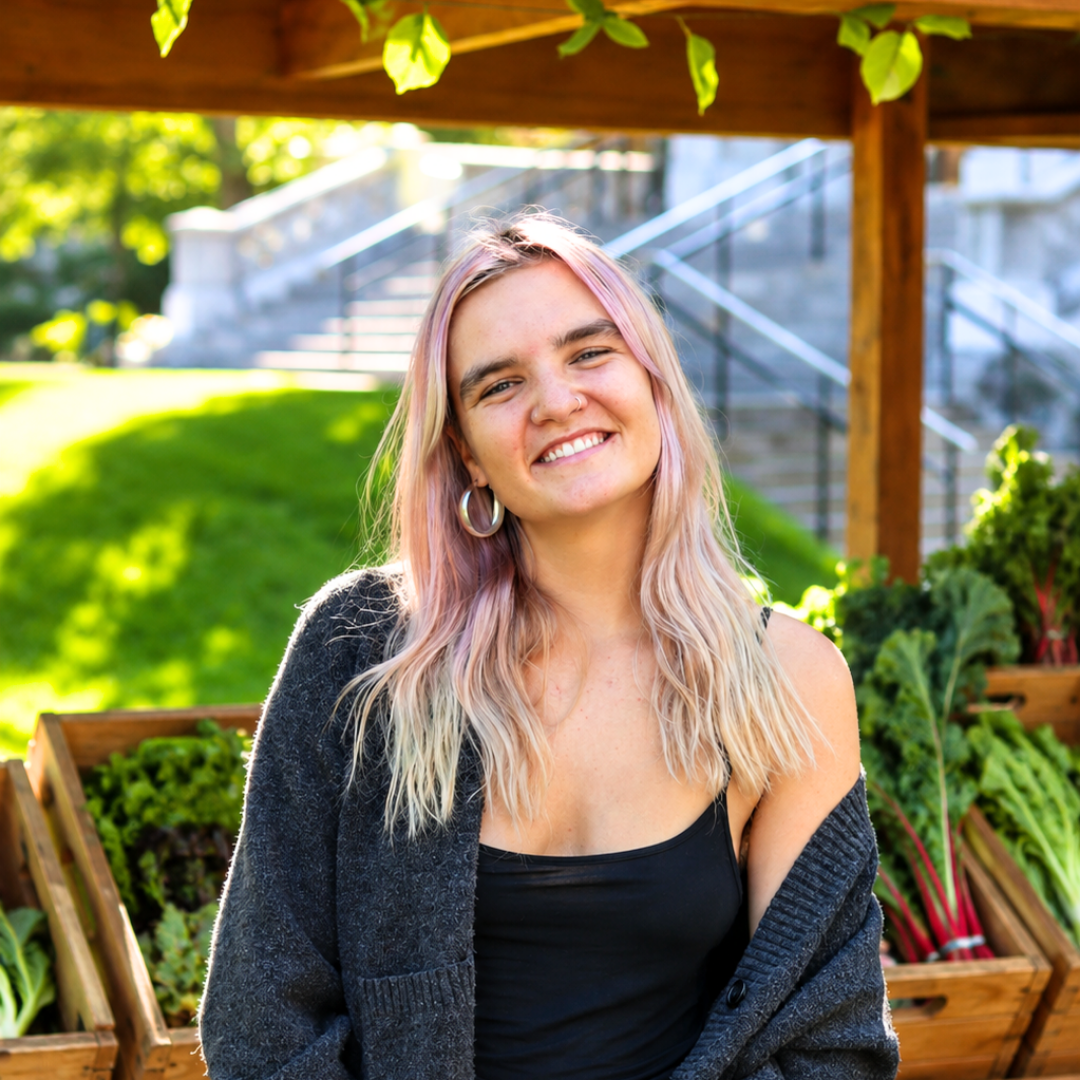
Sheena Swirlz
Education and Engagement Coordinator – Sheena@concordiafoodcoalition.com
Sheena is passionate about food issues, especially those related to ethically and locally sourced ingredients. She loves to garden, cook epic plant-based feasts and host potlucks with friends.
Past projects include Urban Homesteading Montreal – ecological lifestyle workshops around Montreal and Radical Montreal – mapping alternative events and orgs across Montreal. She loves camping, decorating and organizing group adventure activities.

Jijii Buck
Market and Food Waste Coordinator – market@concordiafoodcoalition.com
Jijii is a community-centred activist, interdisciplinary artist, farmer, and organizational practitioner committed to building equitable food and social systems. Since 2019, they have worked with non-profits across Canada advancing accessibility, harm reduction, and community-led systems change.
Through facilitation, mentorship, systems development, and land-based practice, Jijii remains committed to uplifting underrepresented communities and challenging the status quo—one project at a time.
In their spare time, you can find them in the garden, swimming in nearby waters, spending time with their two kitties, reading, painting, camping, cycling, or birding.
Roxy Momax
Food Network Coordinator – foodgroups@concordiafoodcoalition.com
Roxanne is a passionate advocate for community-led initiatives, especially those which are centered around food and sustainability. She loves to host huge dinner parties and to spend hours combing the city for the freshest produce. Roxanne was originally born in the United States but has moved around the world her entire life.
Roxanne is currently studying Environment and International Development at McGill University. She previously served for two years as a Sustainability Commissioner with the Students’ Society of McGill University (SSMU), where she worked on initiatives promoting sustainability and student engagement. She also managed the McGill Farmers’ Market, helping strengthen connections between local producers and the campus community.
In her free time, Roxanne can usually be found outdoors, making art, tending to plants, or planning her next meal!
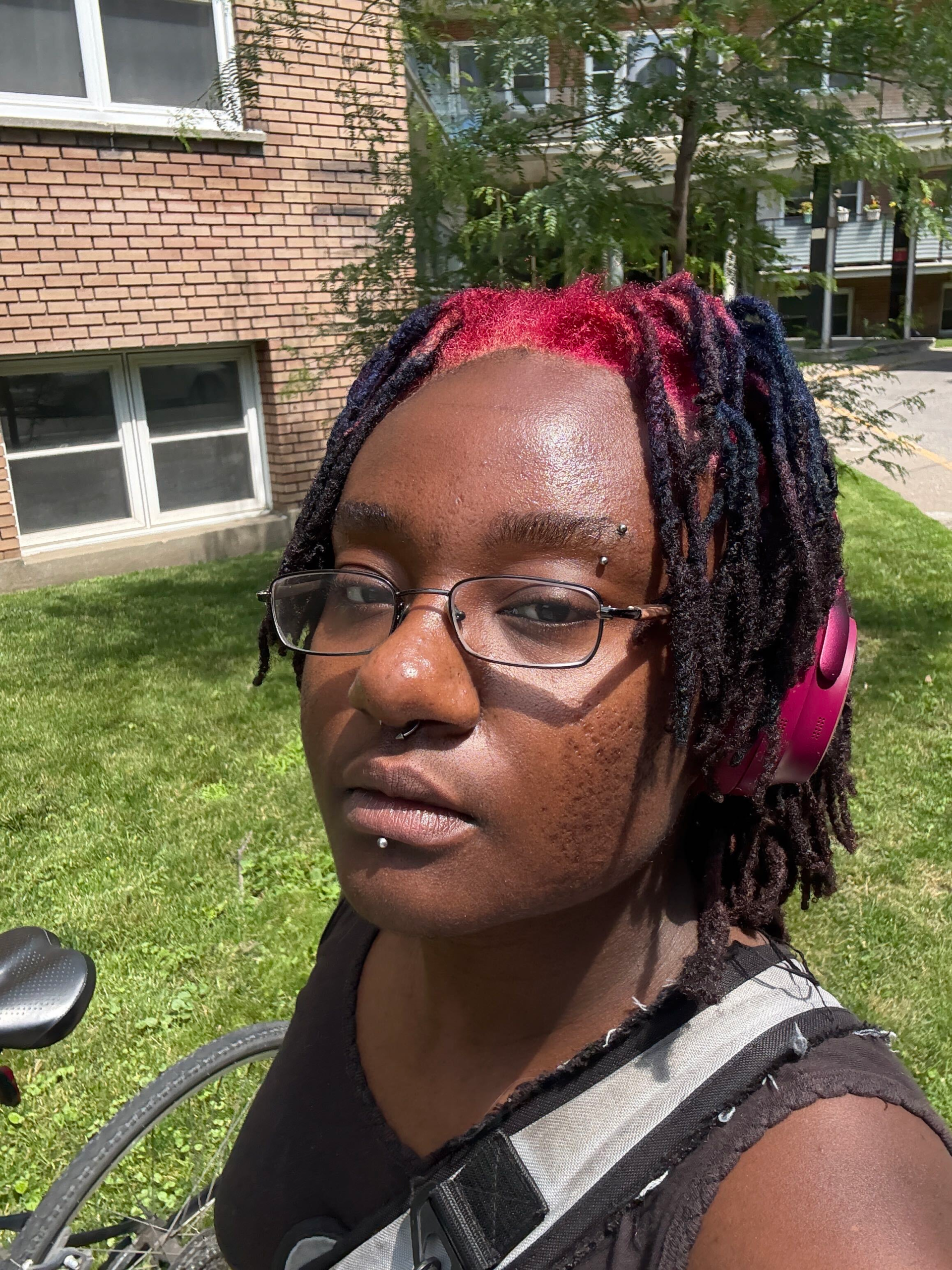
Gracia Badibanga
Outreach Intern – outreach@concordiafoodcoalition.com
As a sociology student with a minor in black studies in the Canadian context, Gracia is definitely for analyzing all things social. This trait has brought them towards community work through urban agriculture, working with children, or facilitating community events; they can be found working across the city with various non-profits.
Now in their last semester at Concordia, their work has brought them to the Concordia Food Coalition, where they will spend the fall as the CFC’s outreach intern. Find them tabling at events and postering around campus!
OUR BOARD OF DIRECTORS
Malak (Mal) Mooman
Hanine El Mir
Michelle Della Corte
Austin Osei
Nasreen Begum
Maria Bouzid
Marlene Hale
Vijay Kolinjivadi
Marion Namawa

ANNUAL GENERAL MEETINGS
ANNUAL REPORTS
CFC 2024-25 Annual Report
CFC 2022-2023 Annual Report
CFC 2020-21 Annual Report
CFC 2018-19 Annual Report
CFC 2016-17 Annual Report
CFC 2014-15 Annual Report
CFC 2025-2026 Annual Report
CFC 2023-24 Annual Report
CFC 2021-22 Annual Report
CFC 2019-20 Annual Report
CFC 2017-18 Annual Report
CFC 2015-16 Annual Report
JOIN OUR AGM!
Each year in January, our members gather to get highlights from our annual impacts, and updates for what’s coming up next.
Membership is free, and members get access to attend and vote in our annual elections.
Want to gain skills, while contributing to campus food system transformation? Join our board of directors!
Check back here for all the details for our January Annual General Meeting!
FEE LEVY GROUPS AND OPT OUTS
The CFC is a nonprofit community organization that was founded in 2013. We are a Concordia Fee-Levy group at Concordia University that collects $0.32 cents per credit from undergraduate students. This allows us to carry out our mission of transforming Concordia’s food system.
The Concordia Food Coalition is committed to providing our members access to key documents regarding our status as a non-profit organization and as a Concordia University fee levy association. We have been a fee-levy organization since 2014.
When you opt out of a fee-levy group, you are withdrawing your support for the group and will no longer be able to access its services, attend events or vote in our general meetings.
Any Concordia student who wishes to opt out of the CFC fee levy ($0.32 per credit for undergraduate students) may do so during the opt out period which begins between 24 hours s after the DNE deadline for each semester and lasts for 14 days. For more information and to opt-out please visit the Concordia Community website.
Learn more about how the CFC started
Click through each image to explore the eras of the Concordia Food Coalition.
THE ROOTS OF A MOVEMENT
1970s — Where it all began
From Concordia’s earliest days, students organized to improve access to affordable, nutritious, and ethically sourced food, laying the groundwork for a campus food movement that continues today.
1990s — Taking food into our own hands
The Concordia Food Collective is formed with an ambitious goal: to bid on the university’s food services contract and bring campus food under community control.
2000s — Challenging corporate control
With Sodexo holding an exclusive food services contract, student-run initiatives like People’s Potato and Mother Hubbard challenge the status quo.
Their resistance helps break the exclusivity arrangement, although the university’s next food services contract is awarded to Chartwells.
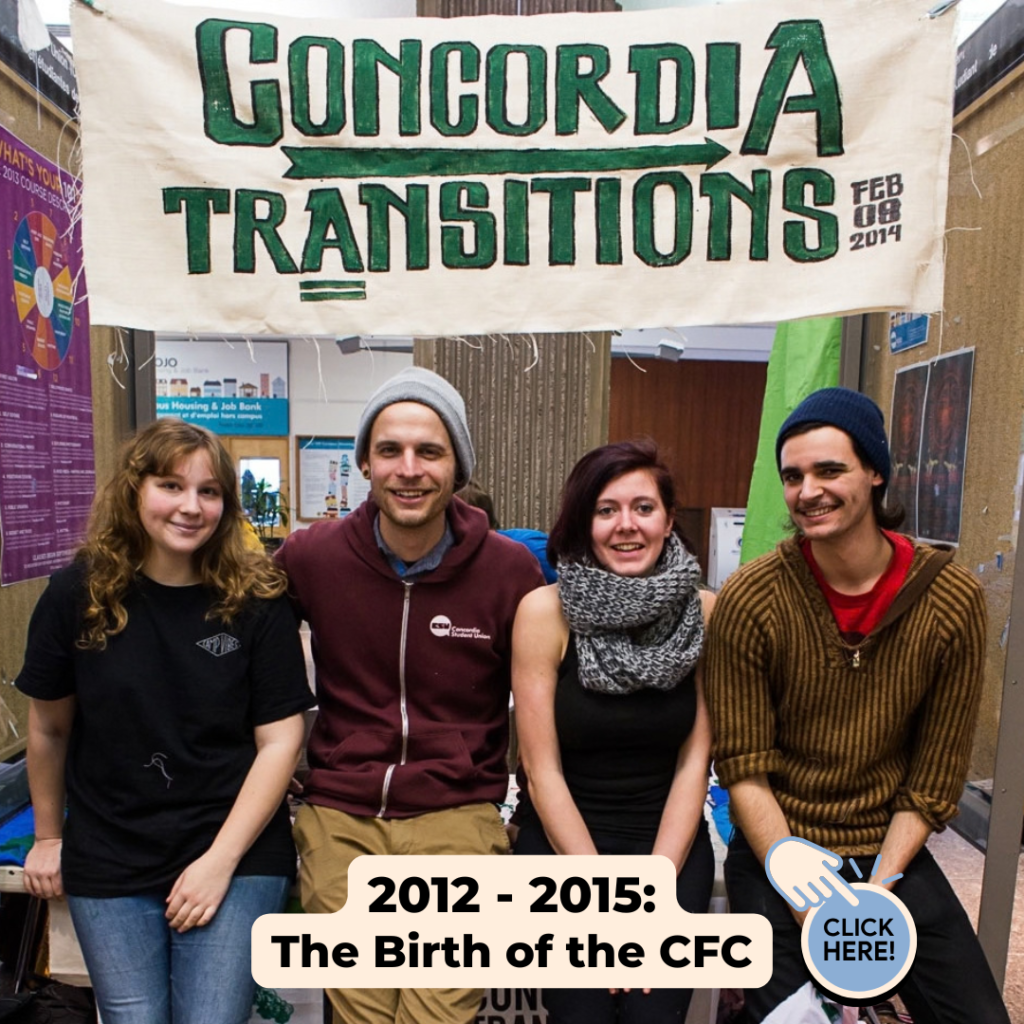
THe birth of the cfc
2012 — A movement reignited
Amid Québec’s historic Maple Spring student movement, food justice returns to the forefront at Concordia.
Former Concordia Food Collective members join forces with a new generation of student organizers to pursue another bid for the university’s food services contract.
2013 — The Concordia Food Coalition is born!
The CFC officially registers as a nonprofit organization, creating a permanent home for student-led food systems organizing.
Students overwhelmingly support the new organization, approving an eight-cent-per-credit fee levy with nearly 90% voting in favour.
A new chapter begins. Time to get to work!
2014 — Building the foundations
The university awards its food services contract to Aramark.
Meanwhile, the CFC begins mapping campus food resources and hosts the Concordia Transitions Conference, laying the groundwork for a more connected and accessible food system.
2015 — Investing in grassroots organizing
The CFC begins investing in working groups, providing resources and support for community-led food initiatives.
And that’s when things started to get interesting.
Click the next image to read more!
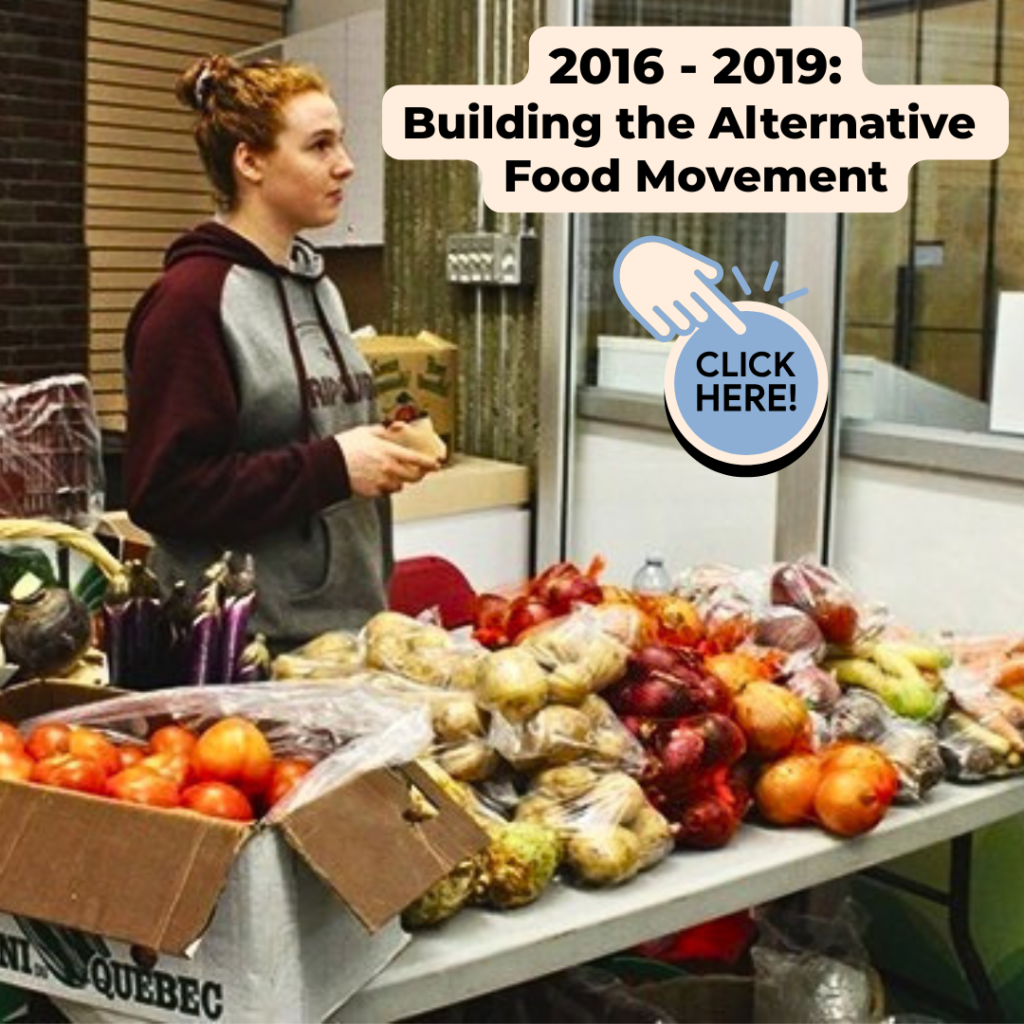
Building the Alternative Food Movement
2016 – Growing the alternatives
The Concordia Farmers’ Market becomes an official CFC project, strengthening connections between local growers and the campus community.
2017 – Expanding our impact
The CFC undergoes a major operational expansion and increases its support for campus food working groups.
Students vote to double the CFC’s fee levy to 16 cents per credit, with more than 60% voting in favour.
2018 – From campus to national movement
The CFC co-hosts the Food Secure Canada national summit at Concordia, connecting campus organizing with food movements across the country.
The Food Autonomy Campaign (FAC) also becomes an official CFC campaign, advancing the movement for greater community control over campus food.
2019 – Researching and building alternatives
The CFC continues its research and advocacy while strengthening Concordia’s alternative food system and supporting student-led initiatives.
And then the pandemic happened.
Click the next slide to learn about what we did next!
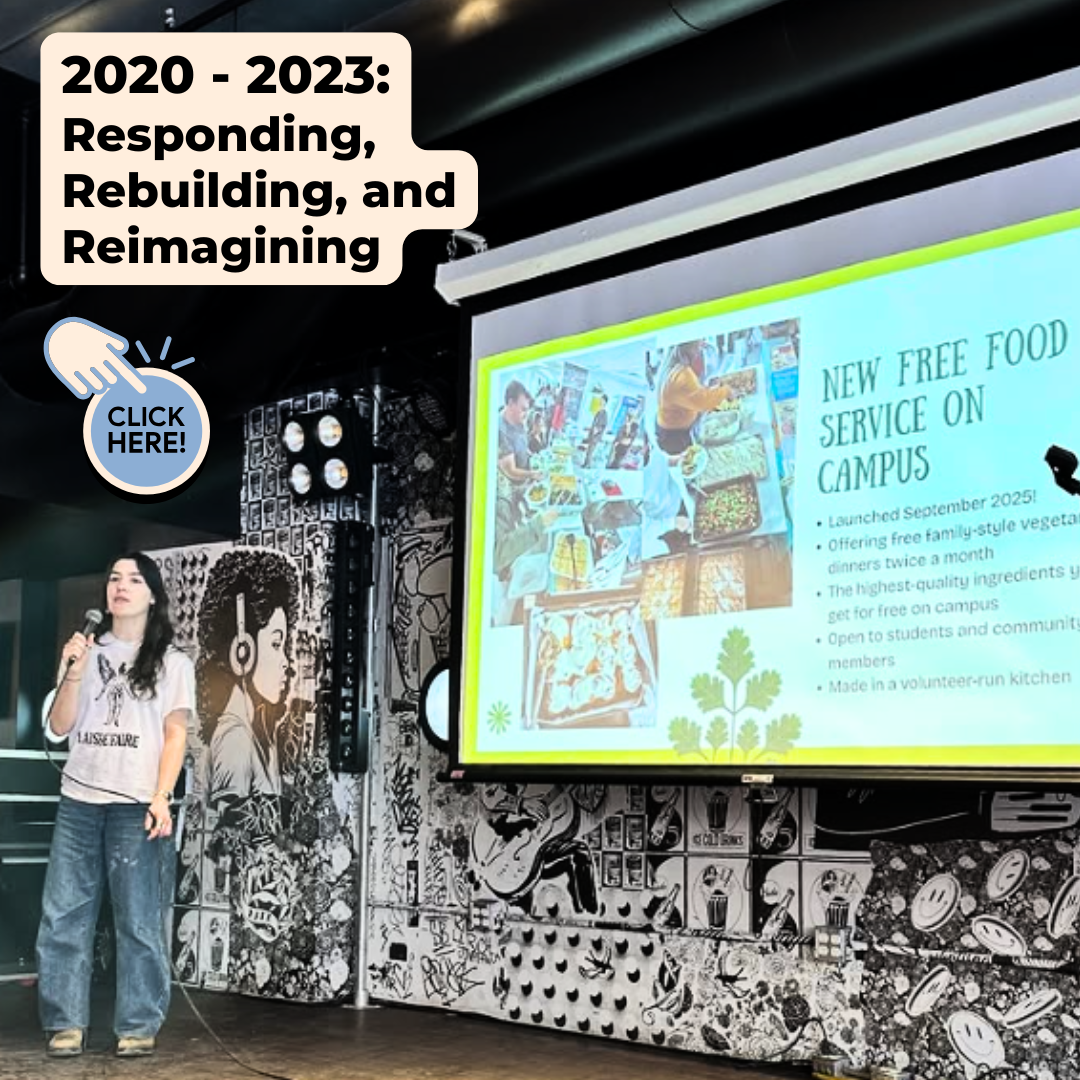
Responding, rebuilding, and reimagining
2020 – Food solidarity in a pandemic
When COVID-19 disrupts campus life and deepens food insecurity, the CFC launches its Emergency Food Baskets Program to support community members.
The CFC also joins the university administration’s Food Advisory Working Group (FAWG), bringing student food systems perspectives into institutional discussions.
2021 – Returning to the table
The CFC renews its efforts to participate in the university’s food services Request for Proposals (RFP) process and begins developing the operational partnerships needed to build a viable alternative.
2022 – Bringing the food movement together
The CFC launches its Food Group Assemblies and Food and Faculty Meet and Greets, creating a space for campus food groups to connect, collaborate, and collectively shape the future of food at Concordia.
And that’s when we proposed the New Food Enterprise. Click the next slide to continue!
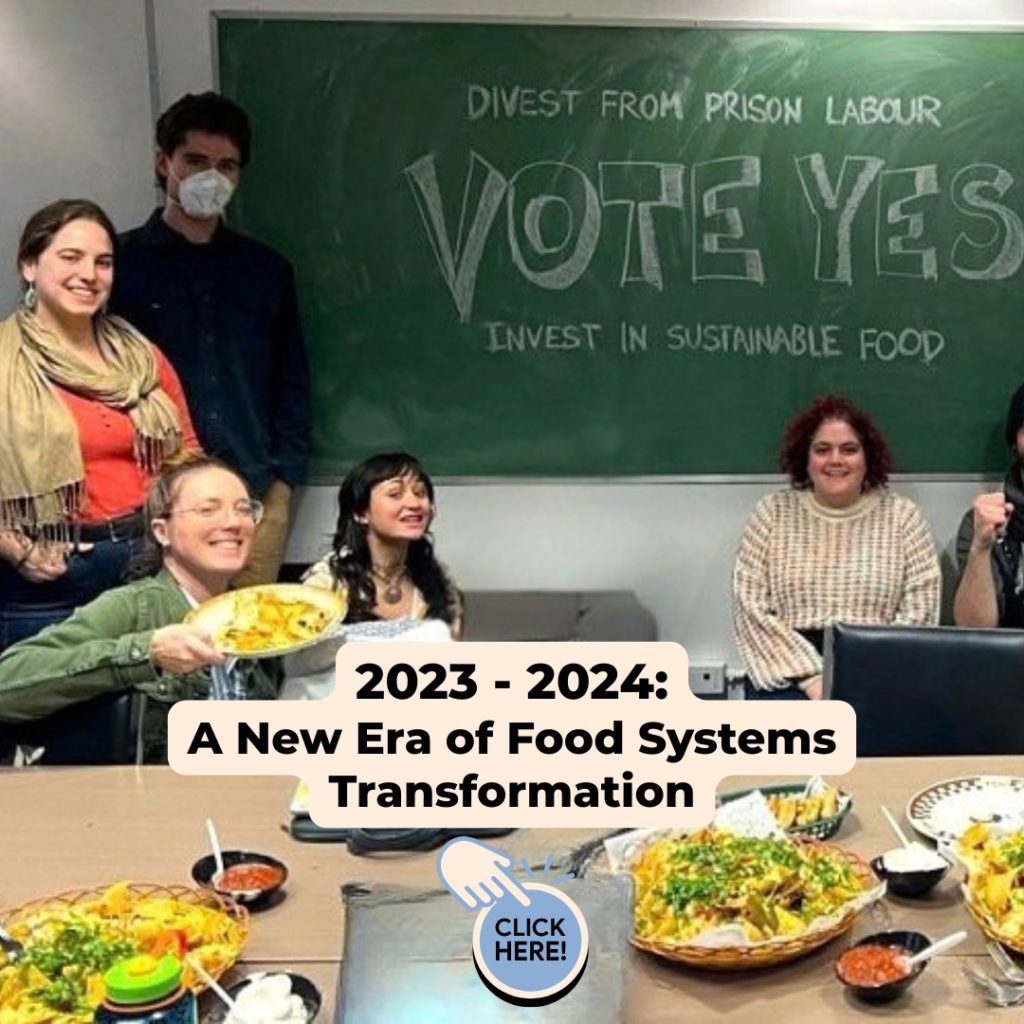
A new era of food systems transformation
2023 – Designing a new food enterprise
The team develops the New Food Enterprise (NFE) business plan: a proposal to replace Concordia’s corporate food service provider with a more sustainable, equitable, and community-driven alternative.
2024 – Mobilizing for change
The CFC launches the inaugural DevOur Campus Conference at Concordia, bringing together students, organizers, and food systems changemakers.
The FedUp! Campaign secures a major referendum victory, with 83% of participating undergraduate voters supporting a mandate for the Concordia Student Union to advance the campaign’s food justice objectives.
The CFC also launches FungiFest, an annual food fair, and the Loyola Food Fair, creating new opportunities for food education and community connection.
And then Concordia opted out of the New Food Enterprise proposal…. so click on to learn how we are pivoting.
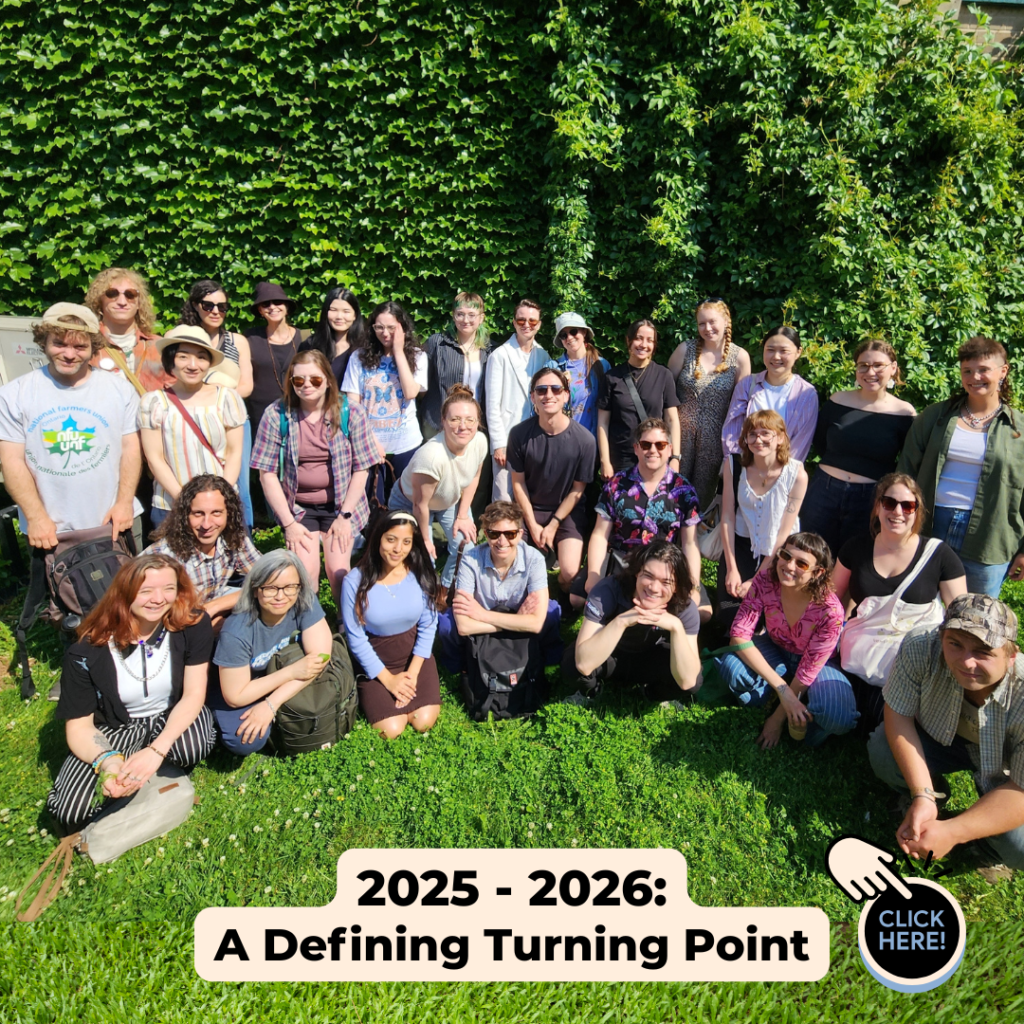
A defining turning point
2025 – Rising from the ashes
Following the rejection of the New Food Enterprise proposal by Concordia’s administration, the CFC enters a period of restructuring and strategic renewal.
The Phoenix Report charts a new direction: moving beyond the pursuit of a food services contract toward transforming the campus food system as a whole.
The second DevOur Campus Conference takes place in Toronto, helping catalyze the launch of the National Campus Food Network and connecting campus food movements across Canada.
Students once again invest in the movement, approving an increase to the CFC’s fee levy to 32 cents per credit, indexed to inflation, with over 70% voting in favour.
2026 – Building a movement beyond Concordia
The CFC hosts the first regional Québec edition of DevOur Campus, strengthening relationships with French-speaking food sovereignty organizations and campuses.
The Coalition expands its collaborations with faculty and deepens its food systems education programming, connecting research, teaching, and grassroots organizing.
Together, these efforts mark a new chapter in the CFC’s work to build a more just, sustainable, and community-controlled food system.
But the movement continues…
The movement continues.
For over 50 years, Concordia students have challenged the status quo, built alternatives, and imagined a better food system.
Today, we’re carrying that legacy forward by connecting campus food groups, supporting grassroots projects, advancing food justice, and building a movement that reaches far beyond Concordia.
The next chapter is ours to write together.