Get Inspired By Grassroots Groups at Concordia
Explore this growing collection of guides, stories, videos, and resources to help you eat well, understand the campus food system, and create positive change.

DAILY UPDATES
POP-ED – RECOMMENDED CONTENT – FOOD NEWS
Featured Zines
Free to download, our zine library explore food systems at Concordia and beyond.


Featured Articles
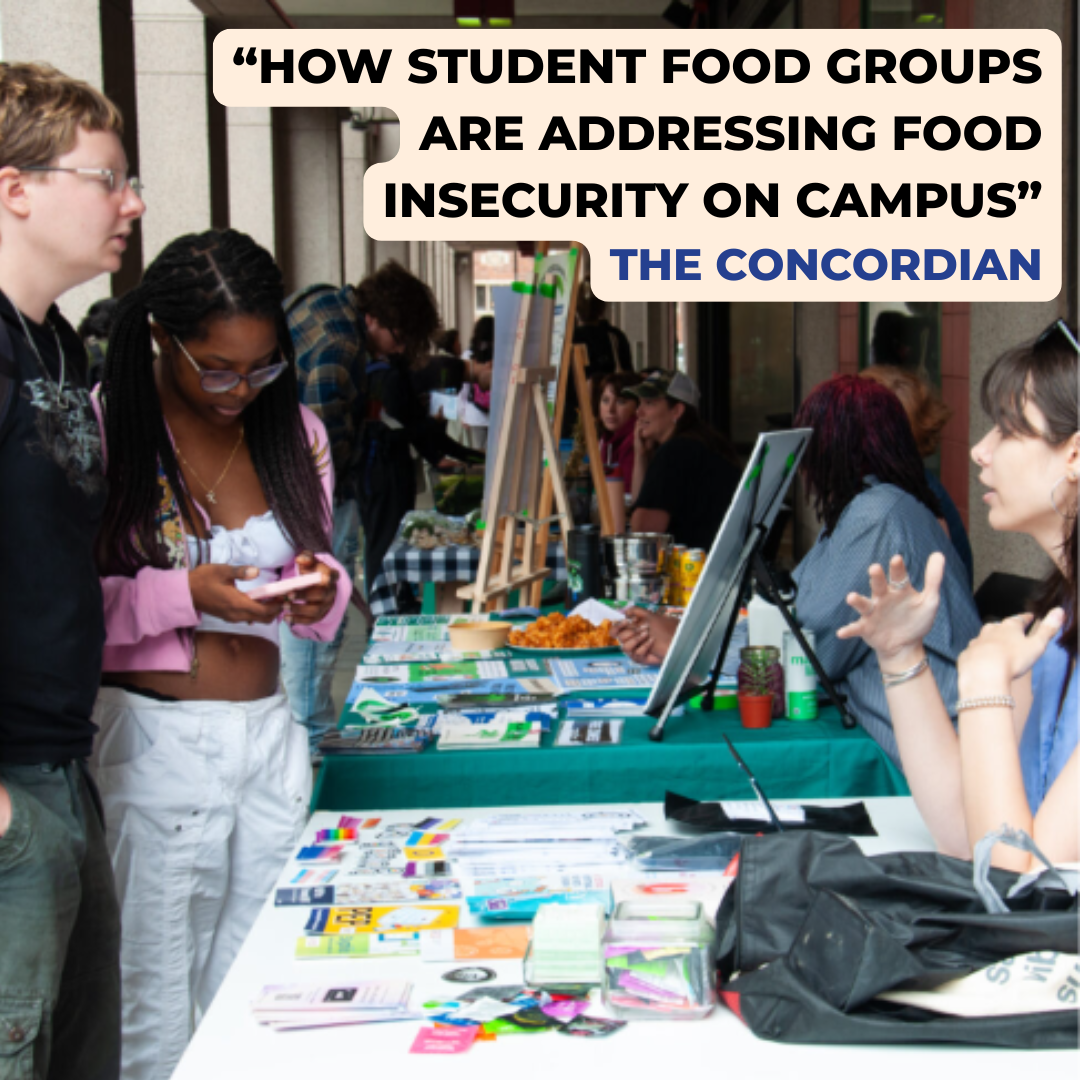
Check out our latest feature articles on food systems and food at Concordia. Our articles are written by our team members, board of directors members, key actors in the Montreal food community, and students! Interested in writing an article for the CFC? Apply for the crEATor Micro-grant anytime!
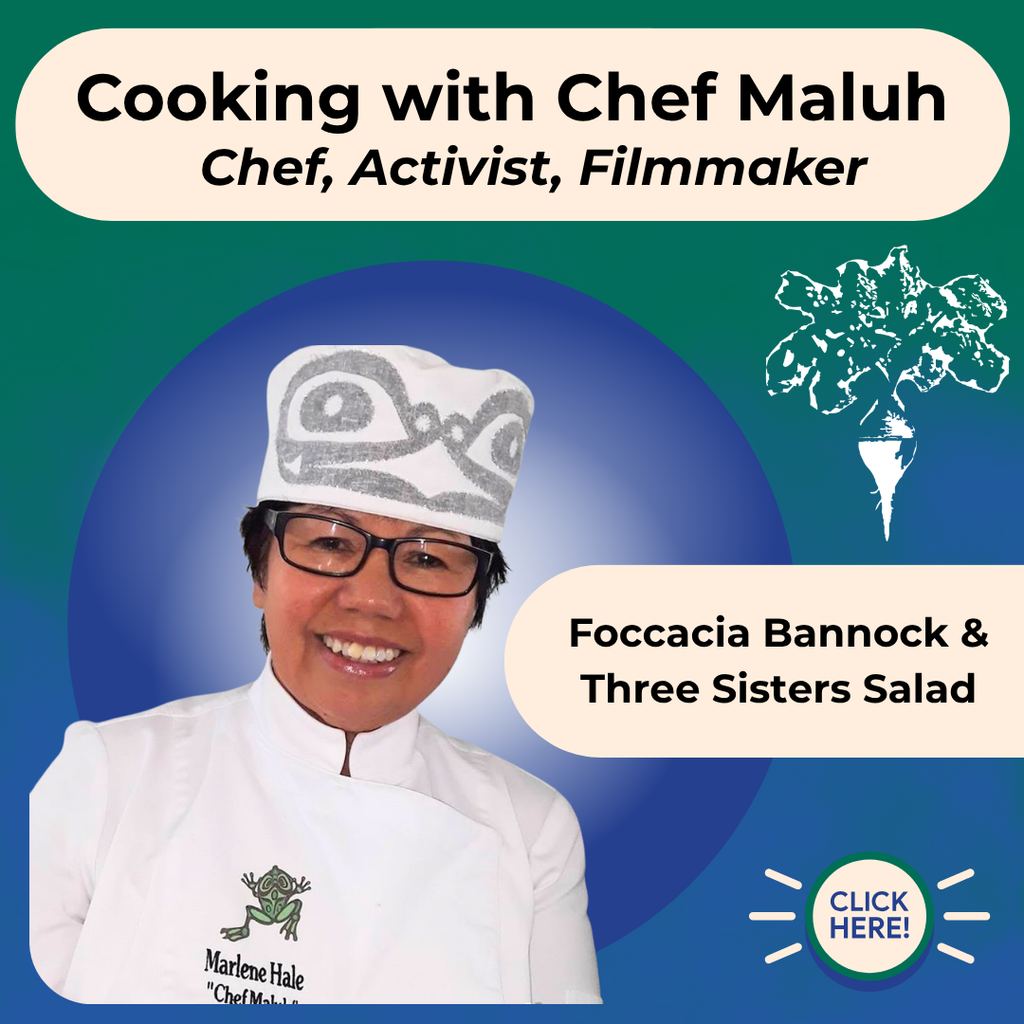

Featured Videos
Check out our featured videos below, and visit Campus Food Groups on YouTube for our full video interview archive!
The CFC Zine Distro
All of our zines are available for free at our events, or free to view or download using the links below.
Scroll down the page for more grassroots food zines, campus cookbooks and more!




How to Make a Food Systems Zine
Get started with our easy zine-making guide!
Grassroots Food Zines
Check out these amazing independent zines made by Concordia students and community members in Montreal.


Featured Research, Reports and News Articles
Explore our research, reports, and publications documenting campus food systems, student food security, and the work shaping a more just and sustainable food system.


Fee Levy Group Guides
From food programs to advocacy to grassroots media, Concordia has an inspiring array of student-led services to improve the quality of life on campus.
Key food groups are fee levy groups at Concordia, such as Le frigo vert, The People’s Potato, Coop CultivAction, Honey’s Free Food Program, and more.


Cooking at Concordia
As a student, learning to cook comes with its challenges—from finding quick, simple recipes for busy weekdays to gathering the right ingredients and equipment. Thankfully, this page brings together a wide range of helpful resources all in one place! Here, you’ll find easy recipes, a list of available cooking classes, tips for cooking in community, and practical tools to help you get started in your own kitchen.
- Volunteer with a campus food group meal service
- Take a cooking class with PERFORM Center
- Check out cookbooks made by Concordia students
- Join a community cook-together event
- Rent a campus kitchen for your cooking event
Get started below with these campus cooking resources below!
START COOKING
Essential equipment • pantry basics • simple meals

FIND RECIPES
Campus cookbooks • free online resources

COMMUNITY COOKING
Cooking classes • community cooking • volunteering with food groups
NEED A PLACE TO COOK? Book a Kitchen Space on or around campus
DSO KITCHEN
Recognized student groups can make kitchen space requests through the university’s booking portal (MyEvents) 25 days before the event.
HOW TO BOOK: DSO KITCHEN
- Please note, this is not the most accessible kitchen to rent, as it must be booked well in advance (3-6 weeks).
- There is a fee ($10 for recurring bookings, $26 for single-time bookings).
- There is no public calendar, nor a booking form.
- To book, email Daniel Amico directly to see if the kitchen is available. daniel.amico@concordia.ca
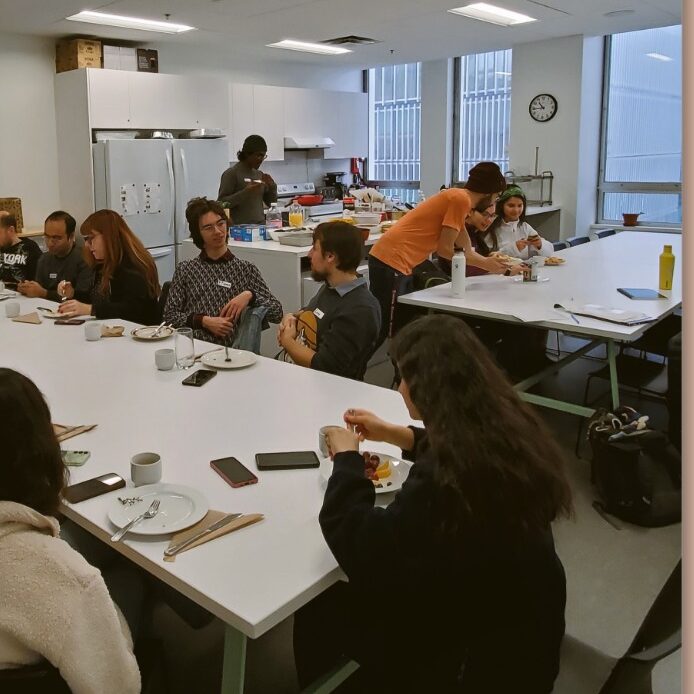
HONEY’S KITCHEN
Rent this Loyola kitchen, which features a fully equipped professional kitchen with a 10-burner range and ample counter space.
KITCHEN CORNERS
Join their community cooking spaces downtown and check out their kitchen equipment library.
START COOKING
New to the kitchen? Check out our resources for getting started below!
You don’t need fancy equipment, a huge pantry, or years of experience to make good food. A few basic tools, some versatile ingredients, and a handful of cooking skills can get you started.
Whether you’re cooking for yourself for the first time, or just want to feel more confident in the kitchen, here are some of the basics.
You don’t need to buy everything at once. Start with the tools you’ll use regularly and add more as you need them.
The essentials
Chef’s knife
One good all-purpose knife can handle most chopping, slicing, and dicing.
Cutting board
Choose one large enough to comfortably prepare vegetables.
Medium or large pot with a lid
Use it for pasta, rice, grains, soups, stews, beans, and sauces.
Frying pan
Useful for sautéing vegetables, frying tofu, making stir-fries, reheating leftovers, and much more.
Baking sheet or baking dish
For roasting vegetables, tofu, chickpeas, potatoes, and easy sheet-pan meals.
Colander or strainer
For draining pasta, beans, and vegetables.
Wooden spoon or spatula
For stirring, sautéing, and flipping.
Can opener
Canned beans, tomatoes, lentils, and other staples can make inexpensive meals much easier.
Reusable containers
Save leftovers, pack lunches, and freeze extra portions.
Useful, but not essential
If you have the space and budget, consider adding:
- Measuring cups and spoons
- Mixing bowl
- Vegetable peeler
- Grater
- Tongs
- Ladle
- Whisk
- Blender or immersion blender
- Rice cooker
- Sheet-pan parchment or reusable baking mat
On a tight budget? Check thrift stores, Buy Nothing groups, Marketplace, family and friends, or second-hand kitchen stores before buying everything new.
A well-stocked pantry makes it much easier to turn whatever vegetables or other ingredients you have into a meal.
You don’t need everything on this list. Pick ingredients you actually enjoy eating and gradually build your pantry.
Grains & starches
- Rice
- Pasta
- Oats
- Couscous or bulgur
- Bread or tortillas
- Potatoes
Affordable proteins
- Canned beans
- Dried beans
- Lentils
- Chickpeas
- Tofu
- Textured vegetable protein (TVP)
- Peanut or other nut/seed butter
Cooking basics
- Cooking oil
- Salt
- Black pepper
- Vegetable bouillon or broth
- Canned tomatoes
- Tomato paste
- Soy sauce
- Vinegar
- Mustard
Start a small spice collection
You don’t need twenty spices. Start with a few that work across lots of meals:
- Garlic powder
- Paprika
- Chili flakes or chili powder
- Cumin
- Oregano or Italian seasoning
- Curry powder
Then expand according to the foods and cuisines you like to cook.
Freezer staples
Your freezer can be one of the best tools for cooking on a student budget.
Try keeping:
- Frozen vegetables
- Frozen fruit
- Bread or tortillas
- Extra portions of cooked meals
- Chopped herbs
- Cooked beans
- Vegetable scraps for making broth
Frozen produce is nutritious, lasts much longer than fresh produce, and makes it easy to add vegetables or fruit to a meal without worrying about using everything immediately
Planning
When making a new recipe, always read the whole thing through; make sure you have all needed ingredients and equipment to execute it.
Some recipes require cooling, chilling, resting, or other such steps that require a lot of time; choose one appropriate for the time you have to avoid cooking under stress.
Making
If cooking daily is not realistic for you due to other engagements, consider meal-prepping: dedicating one day a week where you usually have fewer plans to cooking all your meals for the week ahead can be a solid solution.
Learning to cook is also a venture in learning to trust your instincts. Don’t like or can’t have a certain ingredient? Remove or change it to something similar!
Debriefing
Keep a bookmark folder of your favourite recipes for easy referral.
Whenever possible, take some time to reflect on what you’ve made: a notebook of notes about your personal modifications can be a useful tool to look back on
Meal planning, Food storage & Waste reduction tips
Small Space Vertical Storage Ideas
Safe Food Guide
10 Basic tips all students should know
To learn the techniques:
How to Cook by Jamie Oliver
To master simple meals:
Basics with Babish by Andrew Rea
To eat out less:
Homemade Fast Food by Pro Home Cooks (Mike Green)
Cooking Websites for Students
Easy plant-based recipes that require minimal ingredients
Low-cost, student-friendly recipes and tips to help you eat well without breaking the bank.
Step-by-step recipes, meal planning tools, and smart kitchen integration to make home cooking easier and more interesting.
Cooking Apps for Students
Use this app to enter ingredients you have, and it suggests recipes
An app designed to build your cooking confidence with personalized lessons, interactive tutorials, and practical skills for everyday meals.
A visually rich app that inspires home cooking through easy-to-follow recipes, how-to videos, and global food stories.
You don’t need hundreds of recipes. Learning a few techniques makes it much easier to cook with whatever you have.
1. Sauté vegetables
Heat a little oil in a pan over medium heat. Add chopped vegetables and cook, stirring occasionally, until softened and lightly browned.
Start with onions and garlic, then add other vegetables depending on how long they take to cook.
Use sautéed vegetables as the beginning of pasta sauce, curry, soup, stir-fry, tacos, grain bowls, and more.
2. Roast vegetables
Cut vegetables into roughly equal pieces, toss with a little oil and seasoning, and spread them on a baking sheet.
Roast at about 425°F / 220°C, turning once if needed, until browned and tender.
Try potatoes, carrots, squash, cauliflower, broccoli, cabbage, onions, or whatever is in season.
3. Cook a grain
Rice, couscous, quinoa, barley, and other grains can become the base of dozens of meals.
Cook a larger batch and refrigerate the extra. Use it later for grain bowls, stir-fries, soups, salads, or quick lunches.
Check the package for the correct grain-to-water ratio and cooking time—they vary!
4. Cook lentils and beans
Canned beans: Drain and rinse them and they’re ready to add to your meal.
Dried lentils: Most don’t require soaking and can be simmered directly in water or broth.
Dried beans: Usually need soaking and longer cooking, so check the instructions for the variety you’re using.
Add beans, chickpeas, or lentils to soups, curries, pasta, salads, tacos, bowls, and stews for an inexpensive source of protein.
5. Make a simple sauce
A good sauce can turn the same basic ingredients into completely different meals.
Try combinations like:
Tahini + lemon + water + garlic
Peanut butter + soy sauce + lime + a little water
Olive oil + lemon + mustard
Tomato paste + canned tomatoes + garlic + herbs
Taste as you go. If something seems flat, it may need a little salt, acidity, spice, or richness.
6. Build a meal without a recipe
When you don’t know what to make, use this simple formula:
BASE + PROTEIN + VEGETABLES + SAUCE/SEASONING + SOMETHING EXTRA
For example:
Rice + tofu + broccoli + peanut sauce + peanuts
Pasta + lentils + spinach + tomato sauce + chili flakes
Potatoes + chickpeas + roasted vegetables + tahini sauce + herbs
Tortillas + black beans + cabbage + salsa + lime
Once you get comfortable with this formula, leftovers and random pantry ingredients become much easier to turn into meals.
If you’re learning to cook, don’t start with complicated recipes requiring fifteen ingredients and three pans.
Some good first meals are:
– Pasta with tomato sauce and vegetables
– Lentil or bean soup
– Vegetable stir-fry with rice
– Chickpea curry
– Tacos or burrito bowls
– Roasted vegetables with grains and a sauce
– Chili
– One-pot pasta
– Fried rice
– Overnight oats
– Smoothies
– Sandwiches and wraps
A FEW THINGS THAT MAKE COOKING EASIER
Read the whole recipe before starting. You don’t want to discover halfway through that something needs to marinate for two hours.
Prep before you turn on the stove. Chop your ingredients and get out what you need first.
Taste your food while you’re cooking. Recipes are guides. Your taste buds get the final vote.
Start with less seasoning and add more. It’s much easier to add salt or spice than remove it.
Cook extra when it makes sense. Tomorrow’s lunch can be tonight’s leftovers.
Mistakes are part of learning. Burnt onions and questionable rice happen to everyone. Cooking gets much easier with repetition.
Tips and tricks with Equiterre!
Is your grocery bill constantly increasing and are you looking for ways to fix it?
You’ve come to the right place!
Eating well, cheaply was born from the desire to emphasize good food : no more ultra-processed dishes, which cost too much without giving us pleasure!
To help you on this journey, this site equips you in the kitchen by offering simple recipes using local ingredients, along with tips and tricks to avoid falling into supermarket traps… And much more. In short, you’ll get your money’s worth!
Discover the star ingredients
Choose the right foods
Avoid commercial traps
Eat more plant-based foods
Do it yourself, cook more
Be a pro at reducing food waste
Legumes
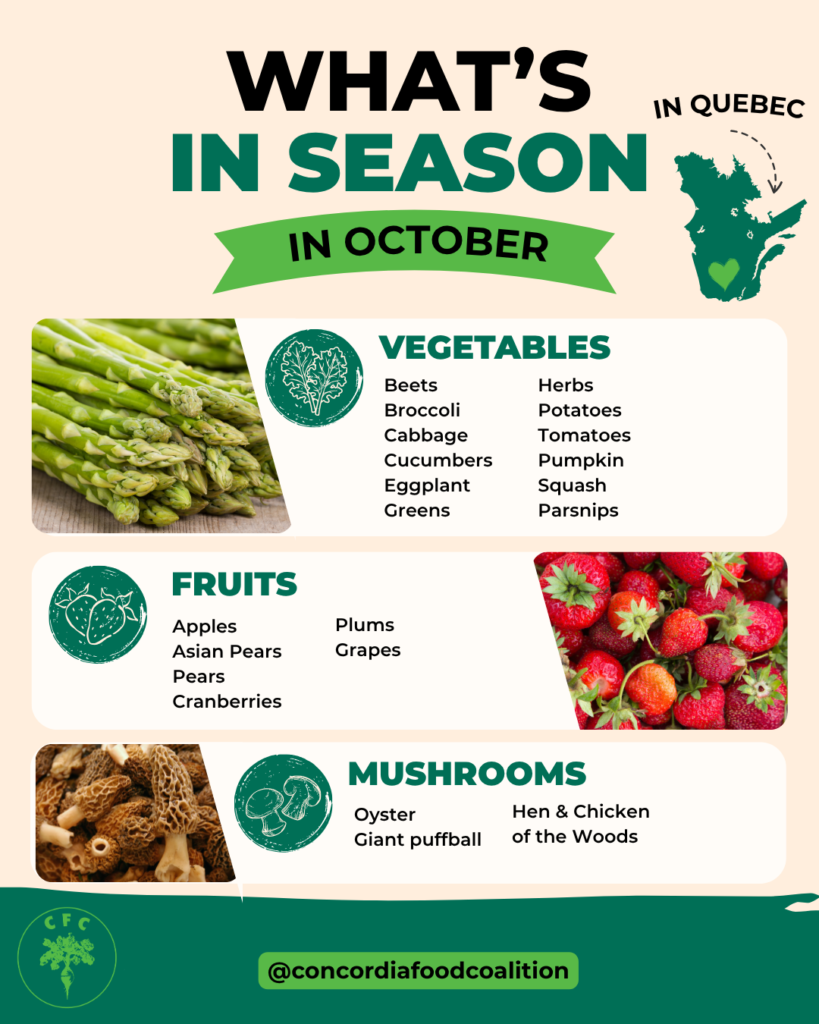
EAT LOCALLY – EAT SEASONALLY
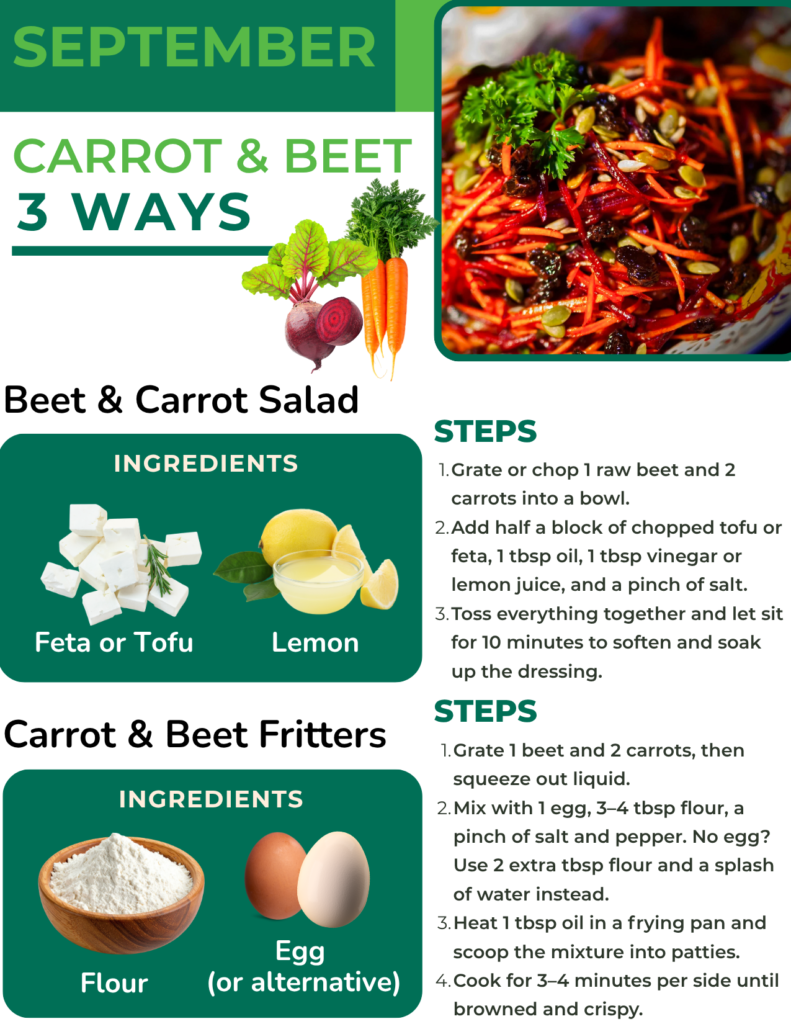
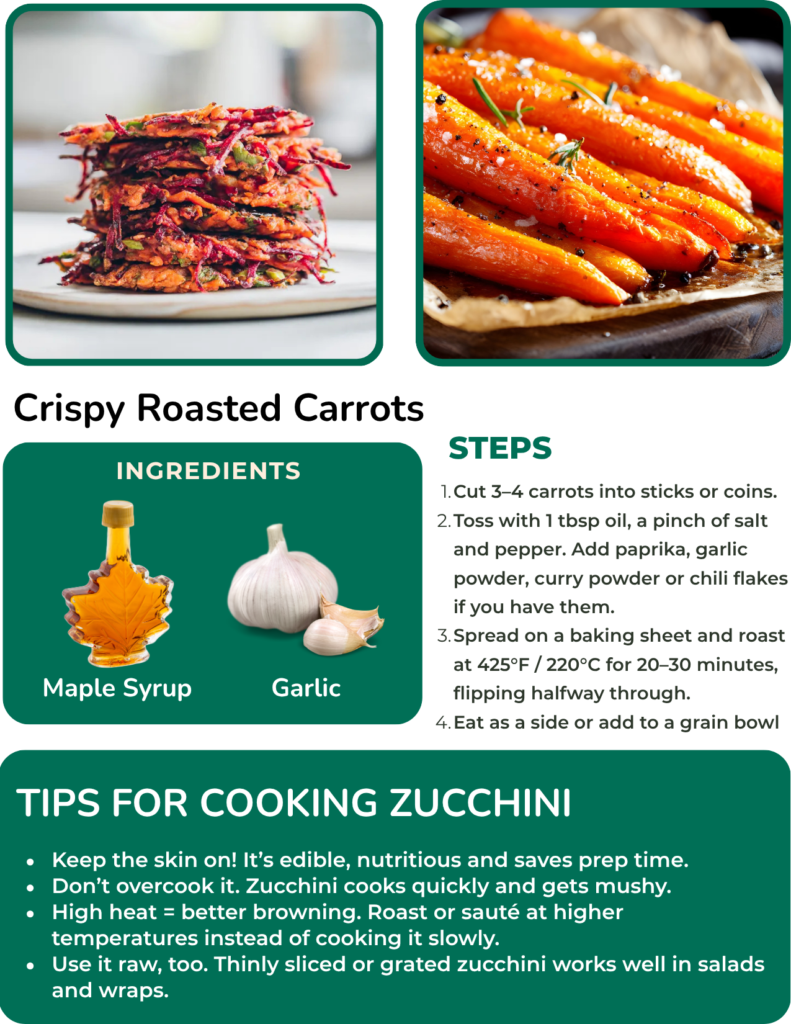
The recipes listed below, like most of the ones found in our campus cookbook collection, are meant to be easy and affordable to make, and are often inspired by locally-grown food in Quebec.
COMMUNITY COOKING
Cooking isn’t just about feeding yourself. It’s also a powerful way to connect with others and rethink your relationship with food. Sharing meals and preparing food together are ways to build community and honour diverse food traditions. Check out the links below to learn more about volunteering in campus kitchens and cooking classes.
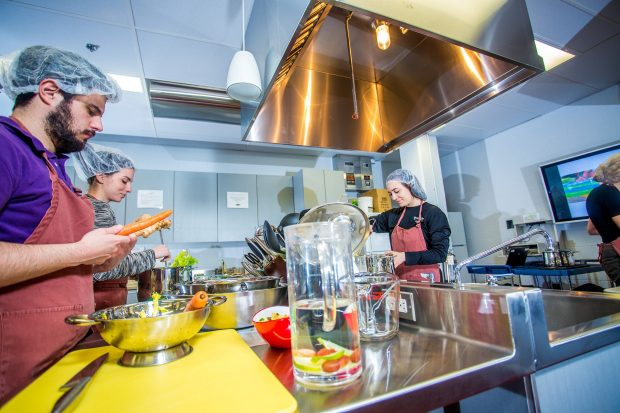
Group cooking workshops at the PERFORM Centre
Join in the Loyola campus teaching kitchen for fun, hands-on workshops that make healthy cooking easy and enjoyable. These sessions are perfect for all skill levels.
Volunteer with a campus meal program
Help fight student food insecurity, meet new people and learn kitchen skills! Volunteer with one of the inspiring campus free meal programs at Concordia.
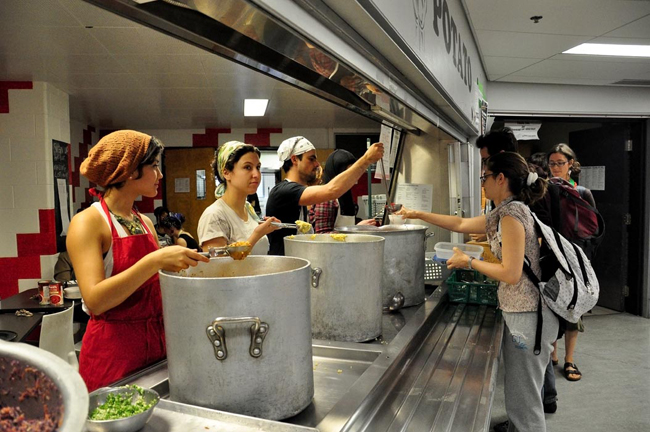
Community Cooking in the Montreal Community
“Food Not Bombs is a decentralized group of worldwide mutual aid collectives dedicated to distributing free vegetarian meals made of surplus food while also raising awareness of social issues. We aim to bring attention to the injustice of a system that prioritizes profits and funding imperialist wars over providing for the needs of people. NDG FNB is a mutual aid collective serving free meals in NDG.”
Volunteering sessions happen weekly for those looking to help with cooking, serving, or driving between those respective locations.
Check out their Instagram to learn more and access their sign-up form.
Operating on a flexible suggested contribution, members of these workshops agree to be present for an entire session. CS provides a facilitator, a certified kitchen, groceries, and materials; participants decide on a menu, and each group cooks three recipes every week or two weeks.
The winter-spring 2025 program is currently underway until the end of May.
Check out their website to keep updated when the new interest form opens!
The Yellow Door has been bringing people together over healthy and affordable food for over 60 years. The Rabbit Hole includes a weekly lunch served from our kitchen and a monthly market for seniors run by Innovation Assistance.
FRIDAY LUNCH
Volunteers prepare, cook and serve a delicious vegan lunch once per week during the academic year. The meal costs around $4. Bring your own container – lunch can be taken to go or enjoyed in our cozy basement space.
Follow on social media for up-to-date information on opening hours & weekly menus.
Campus Cookbooks
From food programs to advocacy to grassroots media, Concordia has an inspiring array of student-led services to improve the quality of life on campus.
Check out these featured recipes!
Gluten-Free Brownies
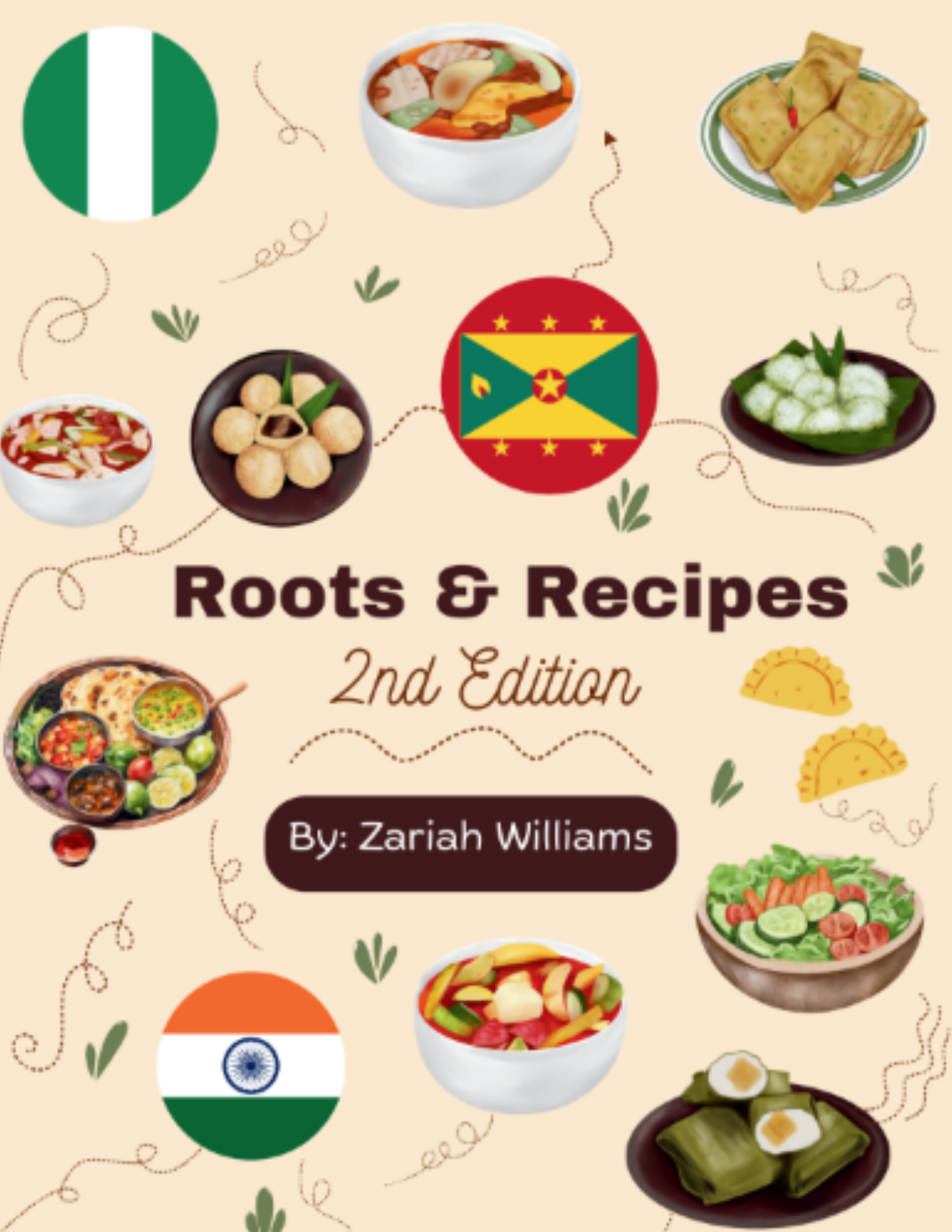
This tasty dessert was found in the Roots and Recipes cookbook, on page 17.

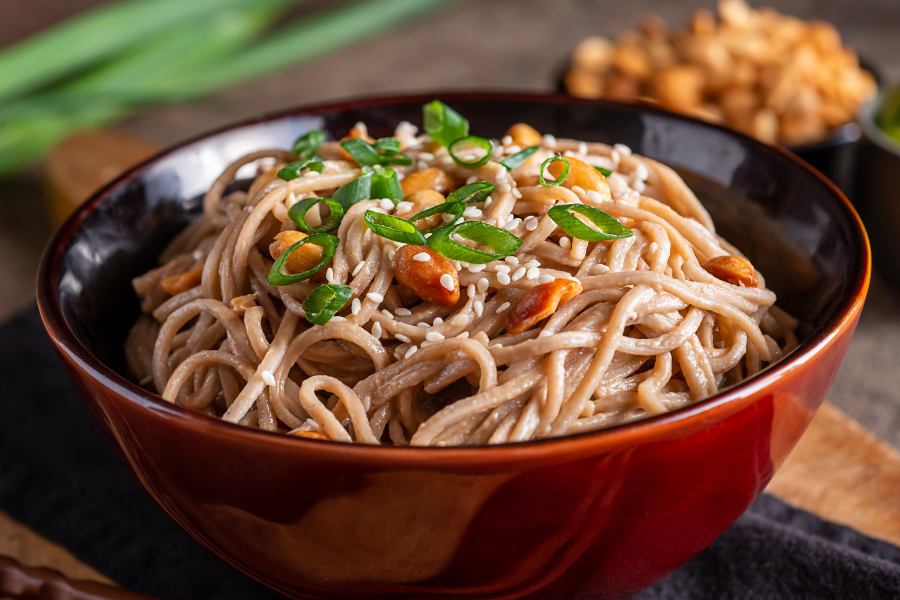
Peanut Soba Noodles
This crowd-pleasing dish created by the People’s Potato can be found on Page 18.
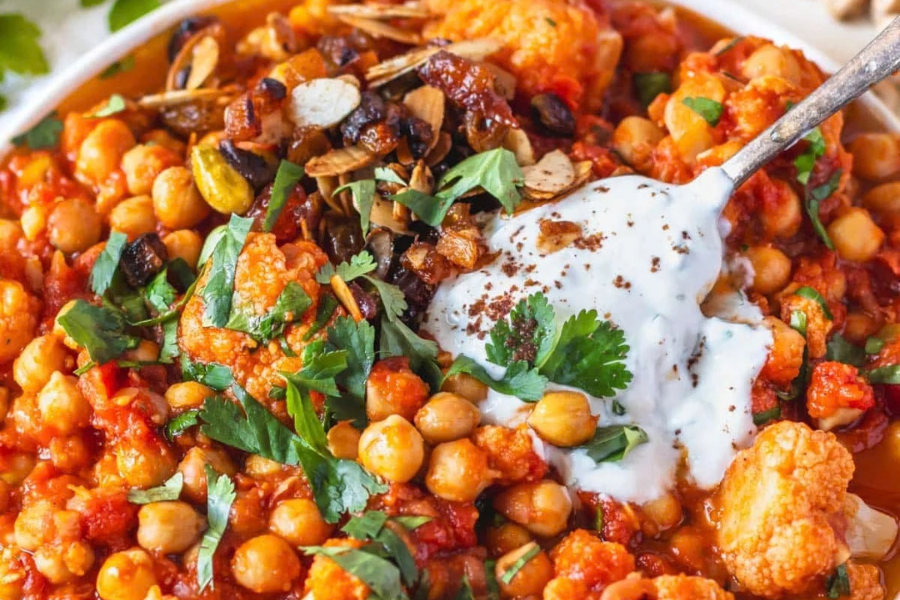
Cookbooks and Guides, created by the Concordia Food Coalition
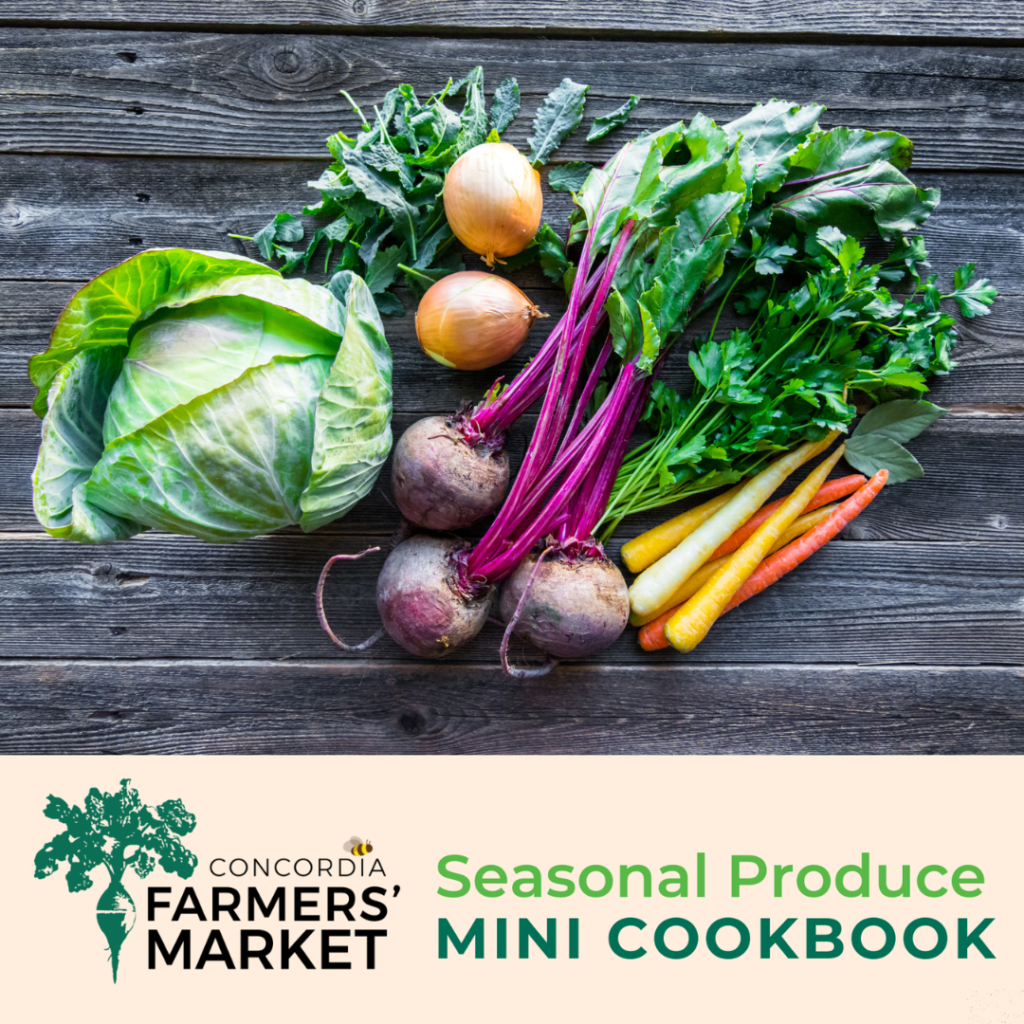
Check out these Cookbooks from Concordia campus food groups!